
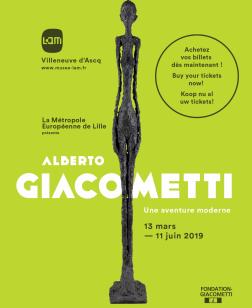
À travers cette exposition-événement, organisée en collaboration avec la Fondation Giacometti, le LaM vous invite à explorer l’œuvre de l’un des plus grands artistes du 20e siècle.
Inscrites dans l'imaginaire collectif, les sculptures d'Alberto Giacometti, longilignes et fragiles, forment des silhouettes d’hommes et de femmes immobiles ou saisis en mouvement.
Réunis au sein de l’exposition, plus de 150 chefs-d’œuvre vous dévoilent le parcours sans équivalent de l’un des artistes modernes les plus mythiques.
After studying at Geneva’s School of Fine Arts, Giacometti moved to Paris in 1922, where he enrolled in Antoine Bourdelle’s studio and immersed himself in cubism, which influenced his early work. He developed a passion for ancient statuary, Egyptian in particular, as well as for African and Oceanian arts. Non-western arts helped him turn his back on sculptural relief, encouraging him to flatten out forms and employ a combination of signs to represent facial features.
He came to the notice of the surrealists in 1929 and became their travelling companion for a few years. Some of his most disturbing works date from this period, creations that might have made their way out of some threatening dream: sculptures evoking cruel, mysterious game boards, “cages” peopled with strange figures and “unpleasant objects” imbued with strong sexual connotations.
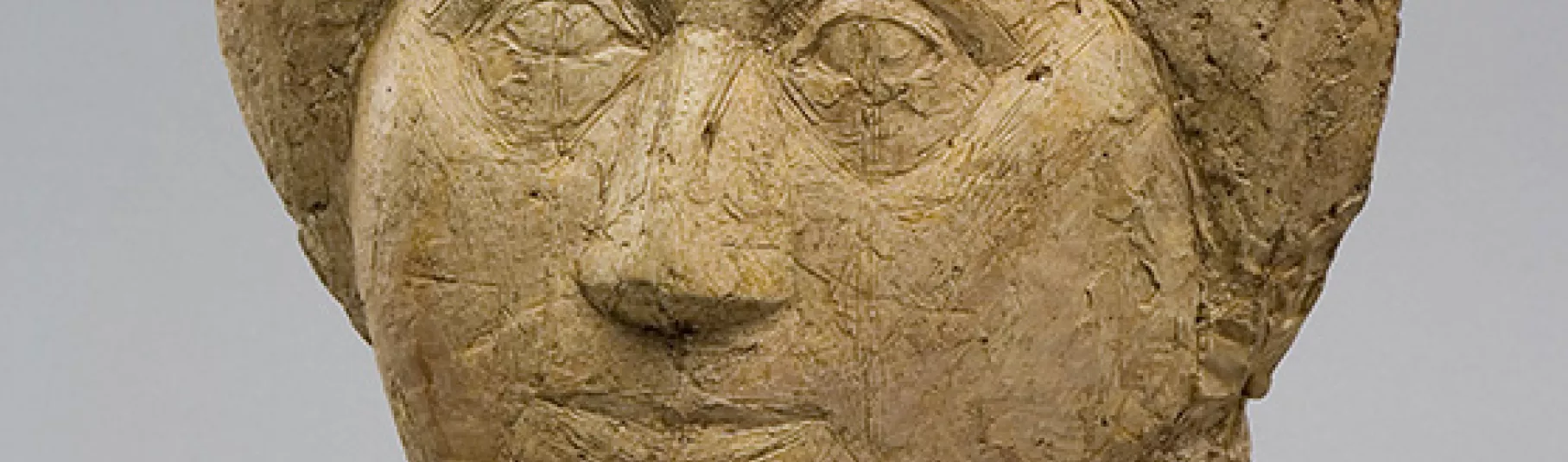
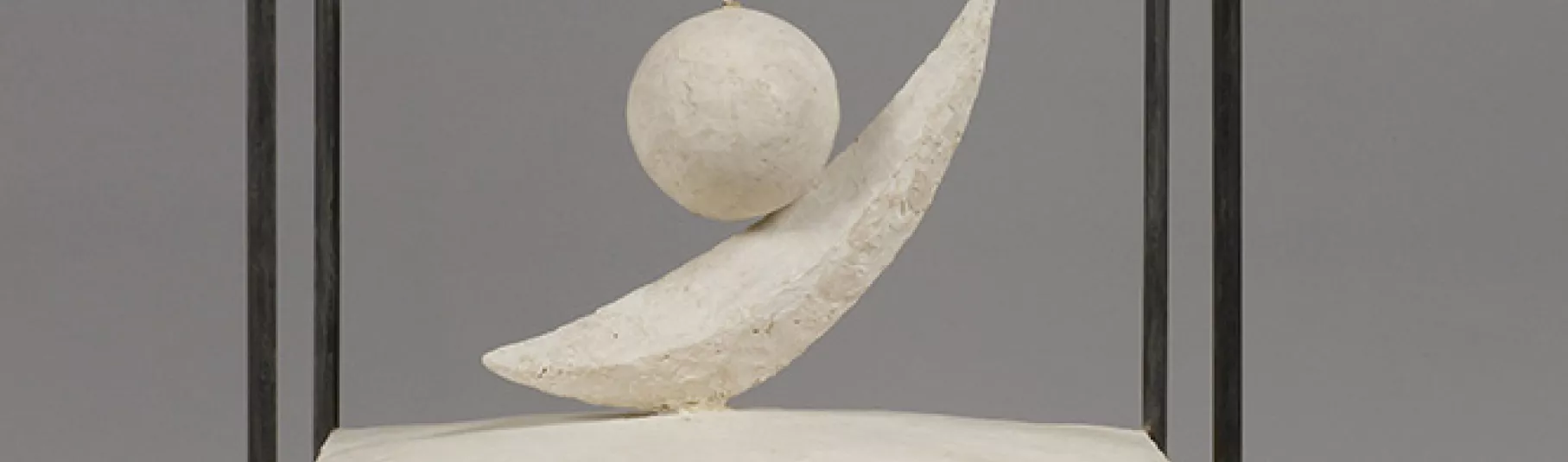
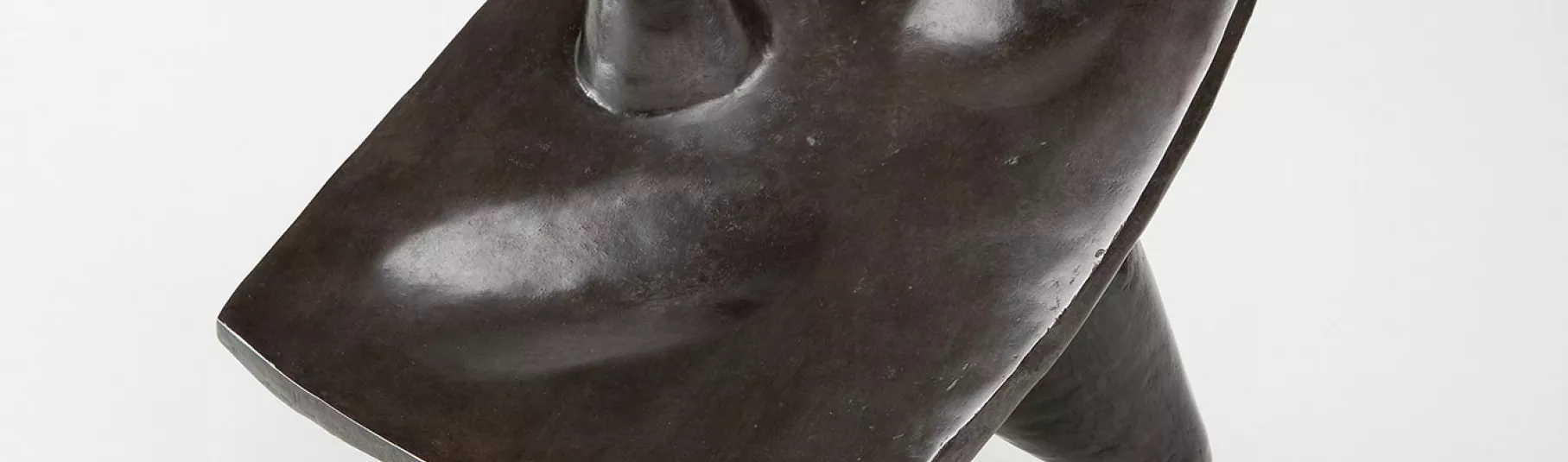
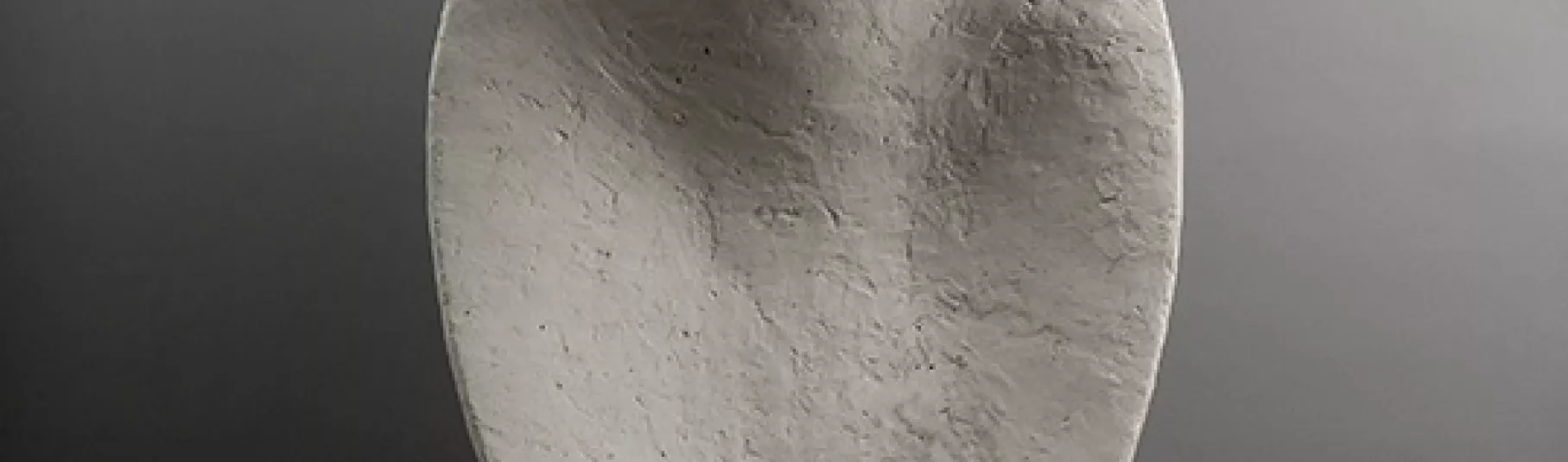
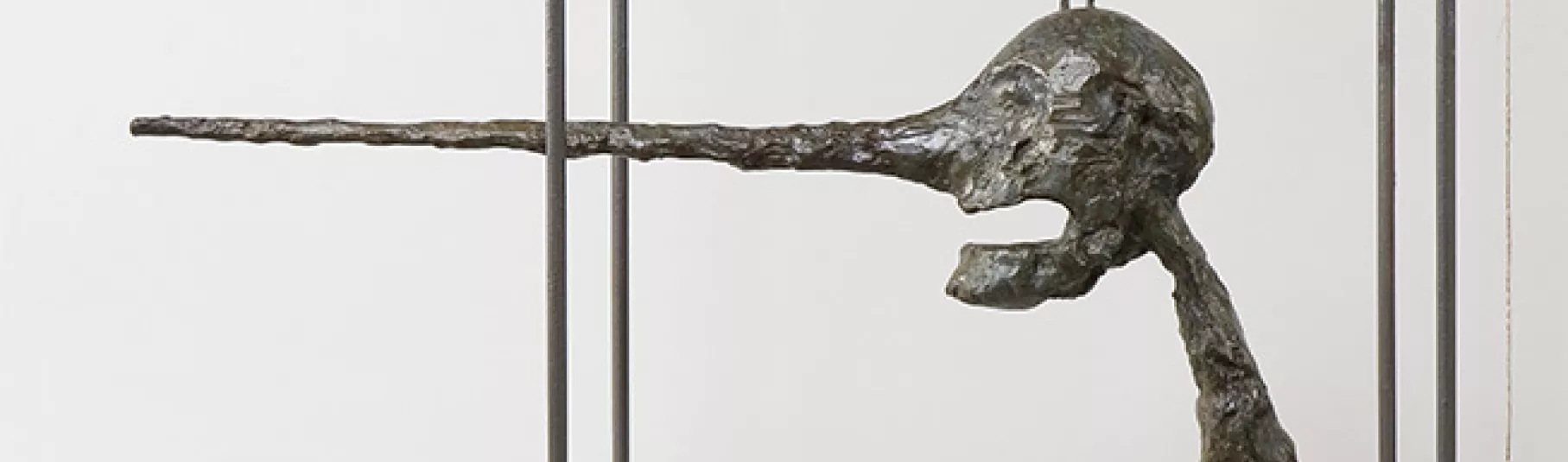
A sculpture is not an object,
it is an interrogation, a question,
an answer.
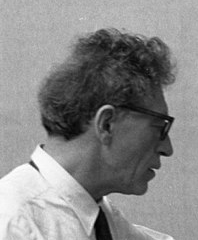
Alberto Giacometti
Giacometti left André Breton’s movement in 1935 and turned his attention back to the human form and portraiture, which were to remain central to his interest until his death in 1966. Friends and family, collectors, intellectuals and famous names succeeded each other in his studio. Confronted with the problems of creation, Giacometti, ever dissatisfied, was caught up in an endless struggle with his materials. Resemblance to the living sitter remained a central concern in his painted and sculpted portraits.
In order to overcome his inability to depict the sitter as he perceived him or her, he called on the help of artists and civilisations that had preceded him, paying particular attention to Ancient Egyptian statuary. Several of his most emblematic works show its influence.
After the Second World War, Giacometti developed the model human form he is best known for. Extremely elongated and fragile, men and women, motionless or captured in movement, come into being, alone or in groups.
His paintings from the 1950s and 1960s also depict ghostly figures set in a space halfway between the studio view and the world of dreams, a parallel universe where humankind survives as best it can.
General Curatorship:
Catherine Grenier, Director of the Giacometti Foundation and President of the Giacometti Institute
Sébastien Delot, Director/Curator of the LaM
Curatorship:
Christian Alandete, Artistic Director of the Giacometti Institute
Jeanne-Bathilde Lacourt, Curator responsible for modern art at the LaM
Coming by car
Prendre l'autoroute Paris-Gand (A1/A22/N227)
Sortie 5 ou 6 Flers / Château / Musée d’art moderne
Coming by public transportation

Métro ligne 1 - Station Pont de Bois
+ Bus Liane 6, direction Villeneuve d'Ascq Contrescarpe
ou Bus ligne 32, direction Wasquehal Jean-Paul Sartre
Arrêt L.A.M.
Métro ligne 2 - Station Fort de Mons
+ Bus Liane 6, direction Villeneuve d'Ascq Contrescarpe
Arrêt L.A.M.
Métro ligne 2 - Station Jean Jaurès
+ Bus ligne 32, direction Villeneuve d'Ascq Hôtel de Ville
Arrêt L.A.M.
Coming by cycling
Un parking à vélo vous est proposé à l'entrée du parc du musée
La carte « La MEL à Vélo », édition 2017-2018, vous informe sur les aménagements cyclables, stations V'lille, itinéraires conseillés... Élément indispensable à mettre dans toutes les sacoches, elle réunit l'ensemble des informations dont vous pouvez avez besoin lors de votre trajet en vélo
Coming by foot
L'entrée principale du LaM est située en contrebas du parking P8, à proximité immédiate du rond-point situé au bout de l'allée du Musée
Parkings
Deux parkings publics (non surveillés) sont disponibles pour garer vos véhicules :
- le parking P7 (dit Des moulins, véhicules de + de 1,8 m)
- le parking P8 (hauteur maxi : 1,8 m), à proximité immédiate de l'entrée principale du musée, mais de moindre capacité que le P7
Pour les bus, un dépose-minute est situé sur l'avenue de Canteleu
Disabled access
Les emplacements de parking réservés P.M.R. se situent juste avant le rond-point de l’allée du Musée, face au pavillon d’entrée du LaM